Discover
what over 1,500 students think about school cell phone restrictions and
how their involvement can shape more effective policies, plus more from
the Lab
In
schools across the country, new cell phone policies are being adopted
at a rapid pace—ranging from classroom-only restrictions to full-day
"bell-to-bell" bans. But too often, the voices of the young people most
affected by these policies are missing from the conversation.
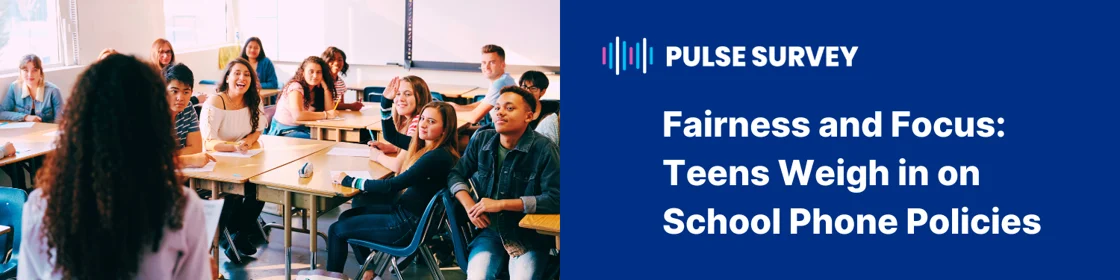
Our latest Pulse Survey, Fairness and Focus: Teens Weigh in on School Phone Policies, shares insights from more than 1,500 teens nationwide.
The findings highlight important opportunities to inform school policies:
Students see phones in school as a distraction, and many are setting their own limits
Phone policies may improve the academic environment for some students
Students are more likely to support policies when they have input
Enforcement of phone policies can impact learning and school culture
Strict phone policies may undermine students’ sense of safety
Media literacy education does not adequately address healthy device use
While many
students recognize that phones can be a distraction—and are already
taking steps to manage their use—they want to be part of shaping the
rules that govern their school days.
At the Lab, we believe the strongest policies are built with—not just for—students. We invite you to explore the full report and our blog post,
which include key findings and actionable recommendations for
educators, pediatric clinicians, tech developers, and
parents/caregivers.
If you know friends, family, or colleagues who could benefit from this newsletter, please pass it on and encourage them to subscribe. Thank you!
Toward a healthy digital future,
Cori Stott Executive Director The Digital Wellness Lab
New: 2024 Inspired Internet Pledge Annual Report
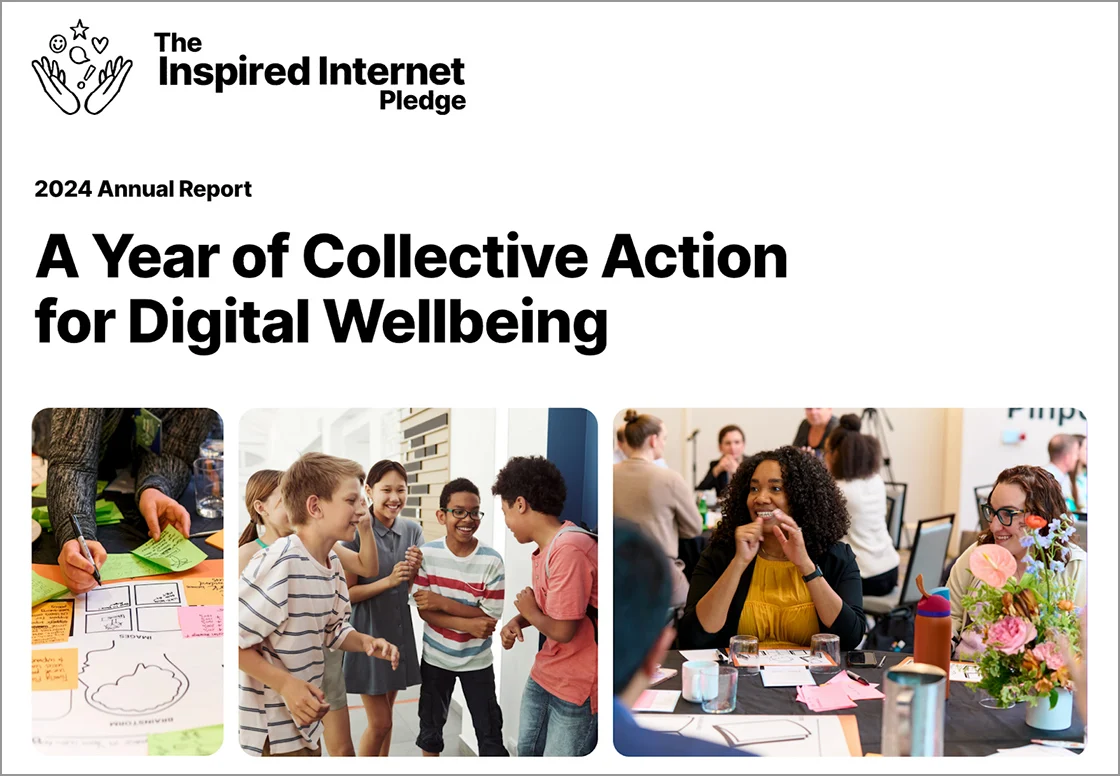
We’re excited to share the inaugural Inspired Internet Pledge Annual Report, representing a year and a half of bold ideas, meaningful collaboration, and collective action.
Launched by
the Digital Wellness Lab with Founding Signatory Pinterest in Summer
2023, the #InspiredInternet Pledge has grown into a movement of over 50
organizations committed to shaping a healthier digital world. In that
short time, Signatories and Advisors have launched innovative tools,
advanced critical research, amplified youth voices, and influenced both
product design and policy.
The report captures what we’ve accomplished so far, the challenges we face, and what’s ahead in 2025. Learn more below!
Desiree
Sierra-Velez, pediatric gastroenterologist at Boston Children’s,
explains how technology can empower teens to take care of their health,
an important step towards autonomy over their healthcare
decision-making.
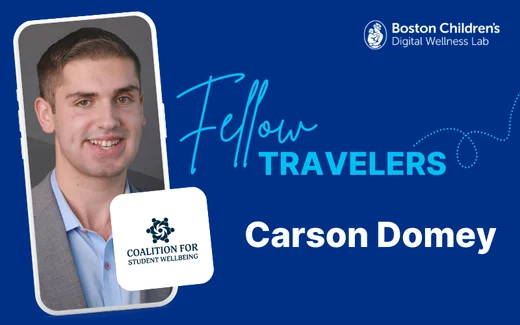
Carson Domey,
Founder and Executive Director of The Coalition for Student Wellbeing,
speaks about the value of incorporating mental health education and
digital literacy skills into K-12 education curricula.
Tara, a member
of the Digital Wellness Lab’s 2024-2025 Student Advisory Council, would
like to see social media and technology designed with the end user in
mind to better protect the youth of today and tomorrow.
In this letter
from Lab leaders, Dr. Michael Rich and Cori Stott reflect on
conversations around youth wellbeing and interactive media, and explore
the most effective ways to help kids thrive in an online world.
We
believe that by following the science, we can create an empathetic and
respectful world in which our kids can grow up #healthy, #smart, and
#kind.
New Resource! Movement and Outdoor Activity Family Guide
Lab
colleague and #InspiredInternet Pledge Advisor California Partners
Project and California’s First Partner Jennifer Siebel Newsom have
created this new guide to help families find better tech/life
balance—without stress, shame, or unrealistic expectations.
The guide
includes conversation starters to help build connection, actionable ways
to promote movement and time in nature, and creative ways to work
with—not against—technology and media. This is a practical resource for
families who are doing their best to adapt to a tech-saturated
environment.
The
Lab team will be on the road in May participating in a variety of
educational events including conferences, workshops, summits and
webinars to further advance digital wellness knowledge.
— At the Society for Research in Child Development (SRCD) 2025 Meeting, Dr. Zhiying (Zoey) Yue and Dr. David Bickham
will be presenting about AI-powered tools for children and AI-powered
voice assistants and children's social-emotional learning. Hannah Chidekel will lead a poster presentation on social media reporting.
— Dr. Michael Carter, Katrina Ho, and Zoë Kronberg will be leading interactive sessions on social media and the impact on mental health at the Youth Leaders Summit at Bentley University, in collaboration with Boston Children's Hospital’s Office of Community Health and the Atrius Health Equity Foundation.
— Kaitlin Tiches will be at the Medical Library Association Conference presenting her work on the creation and impact of the Lab's Research Briefs
to highlight how medical librarians can support organizational outreach
efforts by providing concise and accessible materials. Later in the
month, Kaitin will lead two community webinars focused on understanding
the generational gaps in media use, and digital wellbeing during the
summer months.
— Sam Schwamm, Dr. David Bickham, and Cori Stott will attend the PAX East gaming conference to engage with game developers and share about the Lab's research work in this area.
— Dr. Michael Rich and Kathy Cooney will be presenting a Boston Children's CME course
to medical students on problematic media use, identification, and
interventions. This course will be part of the Adolescent/Young Adult
Medicine Division's annual two-day lecture series on topics core to
adolescent practitioners' work.
— Cori Stott will be speaking at the Boston Children's Hospital League Spring Open Meeting
on the influence of digital media on children’s mental and social
wellbeing, sharing tips for navigating tech conversations with kids of
all ages.
— Nicole Powell and Hannah Chidekel, will be piloting youth-centered workshops during the 2025 Teton Youth Mental Health Summit in
Wyoming to empower young people to better understand their online
experiences, build digital resilience, and take actionable steps to
support their own mental health and that of their peers.
You are receiving this email because you opted in via our website or subscription link.
All information included in this newsletter is for educational purposes only. For medical advice, diagnoses, and treatment, consult your health care provider.


-1.webp)
.webp)
.webp)
-2.webp)