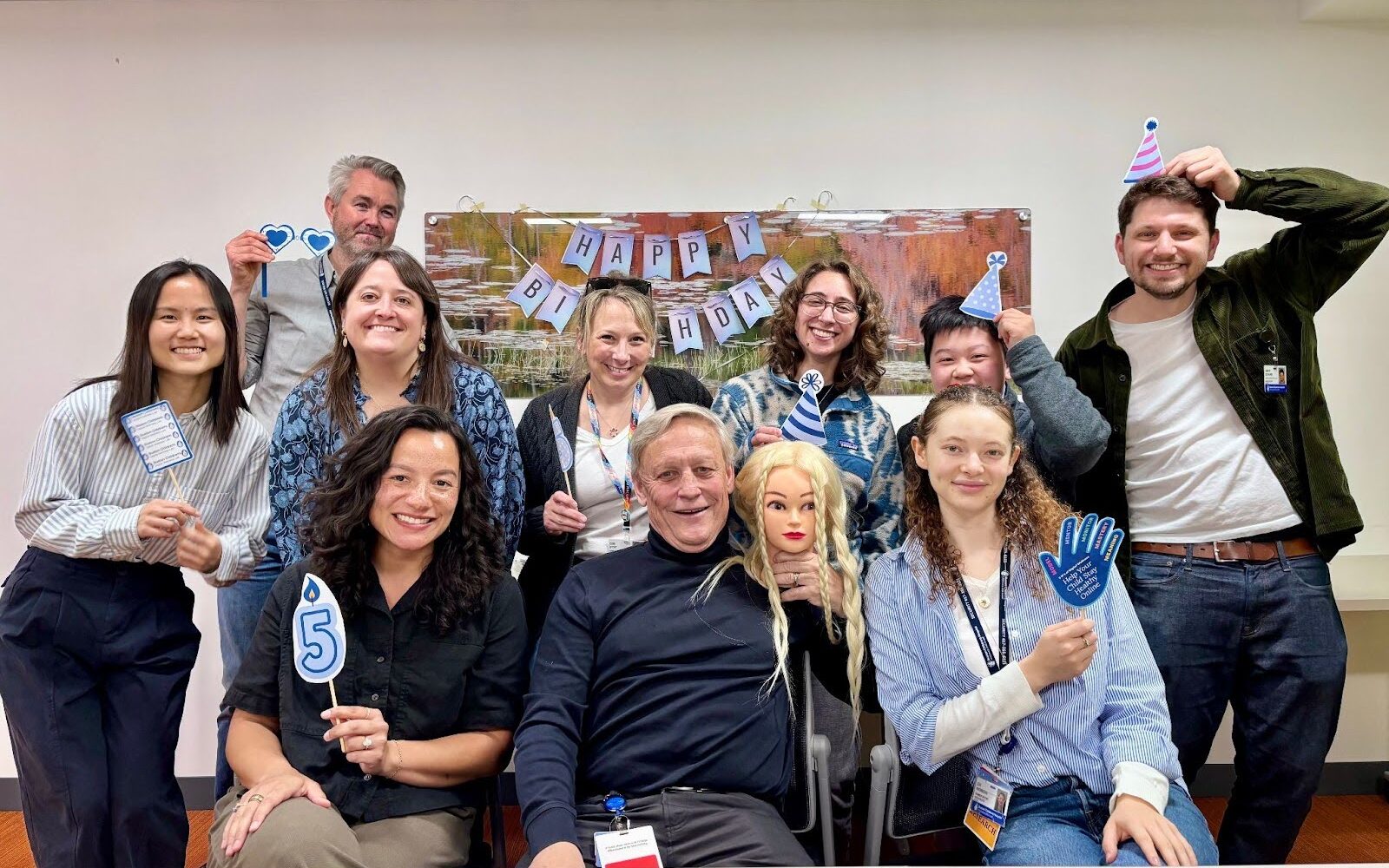
When the Digital Wellness Lab launched in March 2021, the national conversation about kids and technology was already active and evolving. Many researchers and organizations were working to better understand how technology shapes young people’s lives, but the conversation was often polarized and emotionally charged. We set out to deepen that work through rigorous, independent research grounded in academic rigor and clinical insight, with a focus on what it takes to support young people’s wellbeing in digital spaces and to treat them as experts in their own experiences.
A lot has changed since the Lab’s inception. Generative AI has reshaped how young people learn, socialize, and seek support. Schools are debating phone bans. Policymakers are writing new rules for platforms that didn’t exist even a year ago. And the pressure on families, clinicians, and the tech industry to respond quickly, thoughtfully, and with nuance has only intensified.
What has remained constant is our conviction that meaningful progress depends on listening closely to young people and acting on what they tell us. They are the ones navigating these digital environments every day. At the heart of our work is a simple but essential question: what are they actually experiencing, and what do they need to thrive?
Here’s a look at how our commitment has taken shape over the past five years.
Building the Evidence Base
- Published more than 70 formal research outputs—including peer-reviewed journal articles, academic publications, book chapters, and conference presentations—translating lived experiences into actionable data for clinicians, policymakers, and tech designers
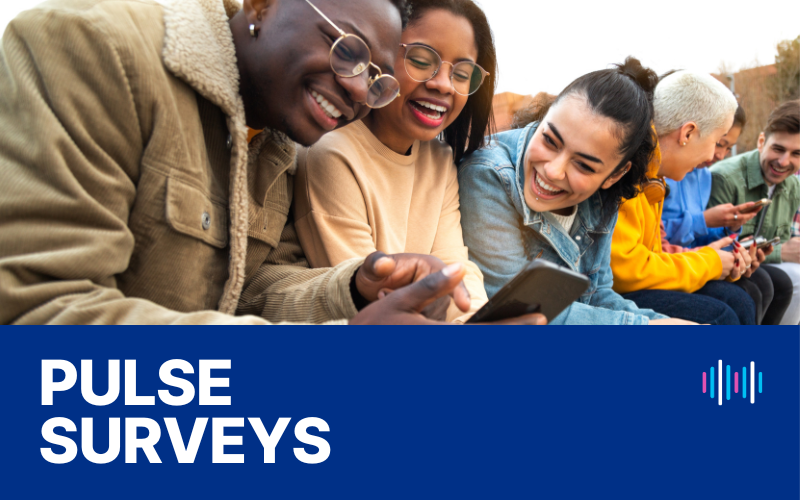
- Published 11 Pulse Surveys and 4 White Papers on topics ranging from school phone policies to online belonging to teens’ use of AI
- Pursued deeper lines of inquiry through long-form research on social gaming, AI, social media, and problematic media use — in collaboration with leading universities and research institutions across the country.
- Released the first ever PIMU-11 screener as an innovative and validated clinical tool, shaped by our clinical partnership with Boston Children’s The Center for Clinic for Interactive Media and Internet Disorders (CIMAID)
Putting Youth at the Center
- Launched the Digital Wellness Lab’s Student Advisory Council in 2022. Now in its fifth cohort, we’ve engaged 70+ high school students from across the country, alongside 10 youth mentors who help facilitate conversations, to inform and shape our research
- Held our inaugural Unmuted Amplify Youth Summit in 2025 at Vanderbilt University, bringing together 50+ teens and young adults alongside nonprofit, industry, and research leaders for two days of collaborative workshops on building healthier digital spaces
Growing Our Team and Mission
- Expanded our team from six to 26 employees, including the hire of an Executive Director and Research Manager
- Leaned into our affiliations with Boston Children’s Hospital and Harvard Medical School to provide a world-class teaching environment for post-doctoral, graduate, undergraduate, and high school students as hands-on academic collaborators
- Developed and released an five-year organizational strategy to guide our research priorities, deepen industry impact, strengthen our commitment to collaboration, and put young people at the center of our work
- Built a multidisciplinary group of associates, clinicians, and subject matter experts united around a common mission
Sharing What We Learn
- Presented at 200+ conferences, schools and events worldwide, including the World Economic Forum, the Aspen Institute Ideas Fest, the UN General Assembly, the Cannes Lions Festival, and more
- Earned nearly 300 press mentions, appearing in such publications as the New York Times, The Atlantic, USA Today, Good Morning America, Wired, and more
- Cited in the U.S. Surgeon General’s Advisory on Social Media and Youth Mental Health in 2023, and in U.S. Senate testimony in 2025 calling for clearer, developmentally informed guidelines for AI design
Working with Industry
- Launched the Inspired Internet Pledge in 2023 to convene all who play a role in building and maintaining the digital ecosystem to collaborate to build a healthier internet. Since then, the Pledge has grown from 15 early signatories to 65+ signatories and advisors, including Pinterest, Roblox, Snap, TikTok, and Discord
- Released 4 evidence-based Tech Industry Recommendations to share key findings from our research to help tech companies build healthy and safe products for everyone, but especially young people.
- Advocated for safety-by-design through advisory board seats with the Trust & Safety teams at Snap, Meta, Google, OpenAI, and others, bringing independent research directly into product and policy decisions
- Convened multi-disciplinary groups of technology leaders, researchers, policymakers, and non-profit leaders in hands-on workshops focused on online civility, developmental tasks of digital engagement, and AI use in early childhood.
Resources for Families, Clinicians, and Industry
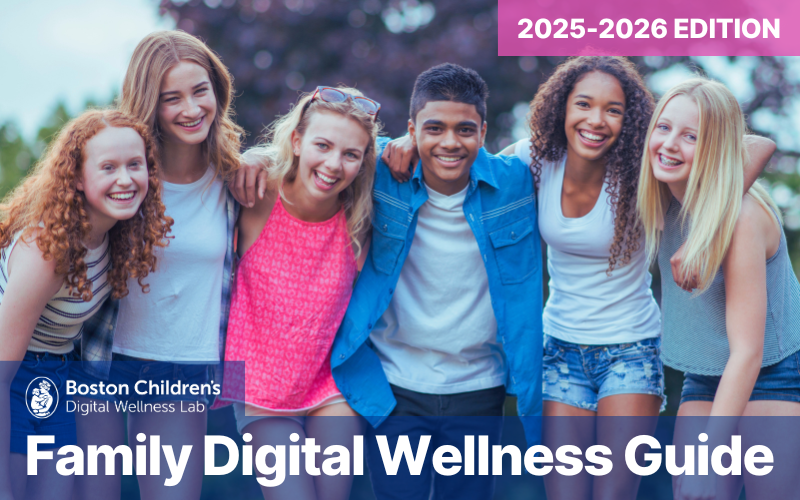
- Expanded our resource library with a Family Digital Wellness Guide in English and Spanish, updated annually to reflect the latest research and clinical insights
- Released 13 research briefs translating the latest academic findings on topics like body image, online safety, AI, and media literacy into accessible insights for families, clinicians, and industry
- Developed Amplify Youth Workshops, a series of evidence-based digital wellness workshops to take an “all-community” approach–bringing together young people, parents and caregivers, and educators
- Launched three ongoing blog series—Fellow Travelers, Conversations with Clinicians, and Teen Voices—amplifying the voices of clinicians, researchers, and young people
Five years in, the digital landscape has shifted significantly. As technology evolves, the questions are more complex, the stakes for young people higher, and the need for independent, rigorous, youth-centered research is more urgent than ever. That’s the work ahead of us.
Thank you to our supporters, our collaborators, and most importantly the young people who share their stories, challenges, and hopes with us. Your perspectives drive this work and shape our efforts to build a healthier digital ecosystem.