

mediaer
-
Recommendations for Industry: Social Media Platforms
Generative AI has rapidly emerged as one of the most widely adopted and influential technologies shaping young people’s digital lives. The following recommendations are grounded in what teens across three countries told us about how they are actually using these tools.
-
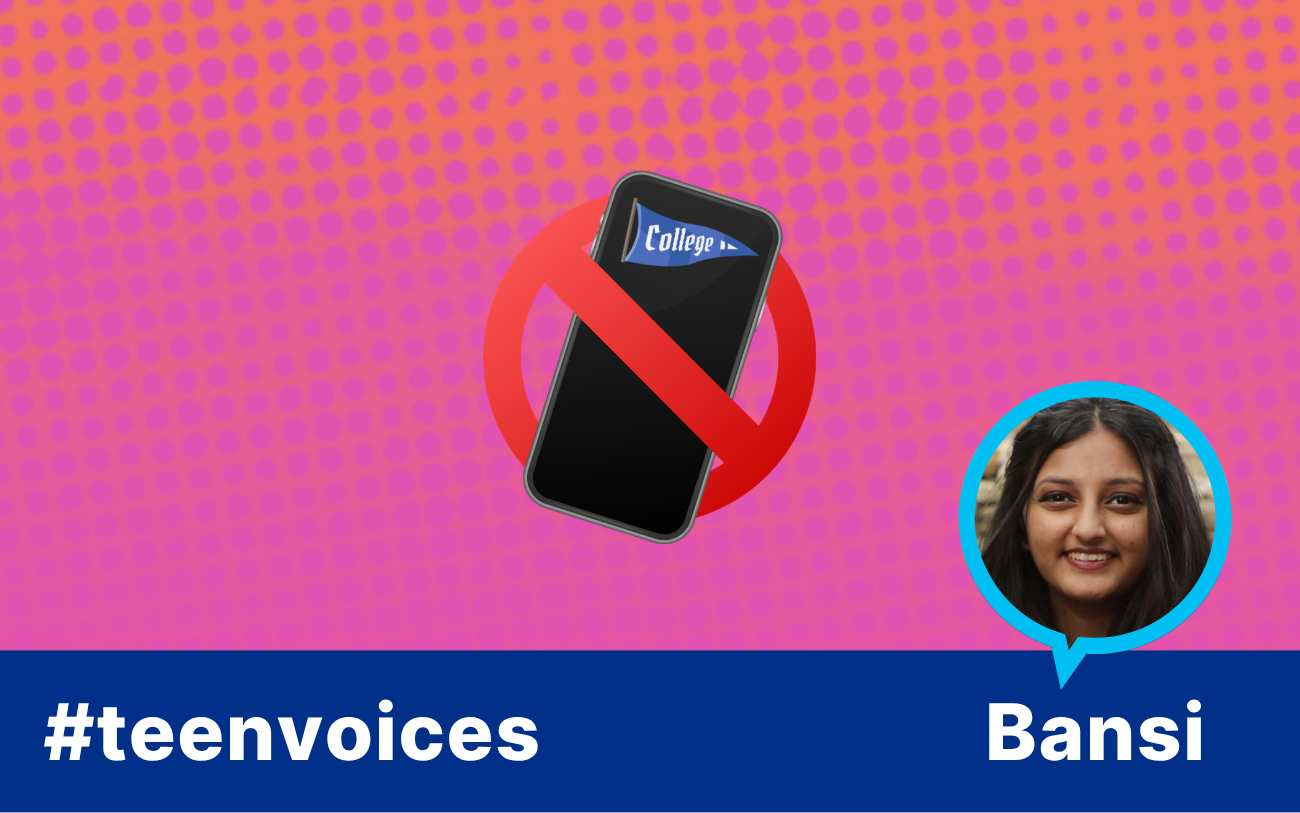
A College Student’s Perspective on Cell Phone Bans
Read the latest Teen Voices feature by college student Bansi, which explores why teaching long-term digital literacy and self-regulation—not just banning cell phones—is essential to prepare youth for a tech-driven world.
-
Healthy Digital Habits: Free Family Webinars & Activities Presented by Verizon
The Digital Wellness Lab and Verizon present Healthy Digital Habits: free family webinars and self-guided activities to help families navigate technology with confidence.
-
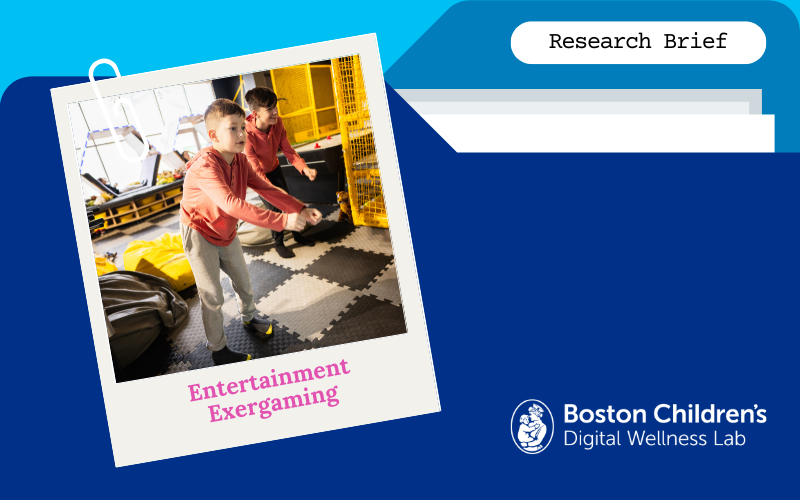
Research Brief: Entertainment Exergaming
This research brief reviews “exergames”, which specifically seek to increase physical activity levels through video game play.
-
Would You Give 25 Years of Your Life to an App?
In a new Teen Voices video “Watch This If Your Screen Time is Over 2 Hours,” Student Advisory Council member Jackson B. shares his teen-led perspective on screen time, algorithm design, and simple habits for reclaiming digital wellbeing.
-
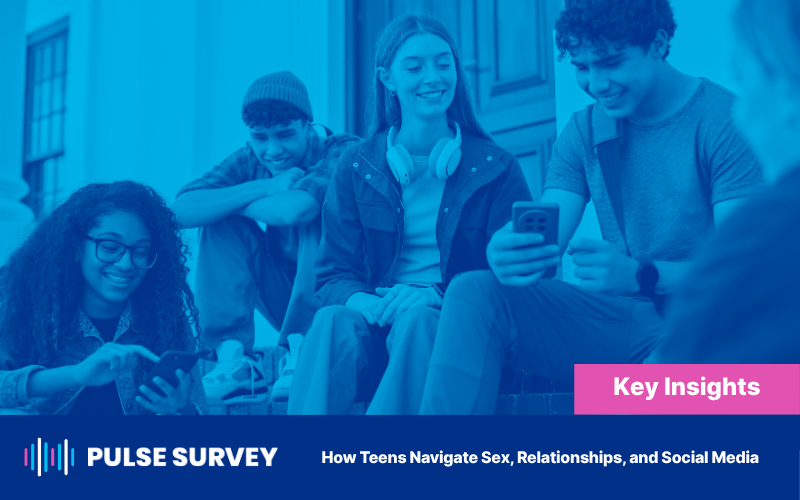
What We Learned About How Teens Navigate Sex, Relationships, and Social Media
In our latest Pulse Survey, we asked 1,124 US teens ages 16 to 18 about the social norms they hold around sex and relationships, their sexual health literacy and access to education, and the relationship and sexual content they encounter on social media.
-
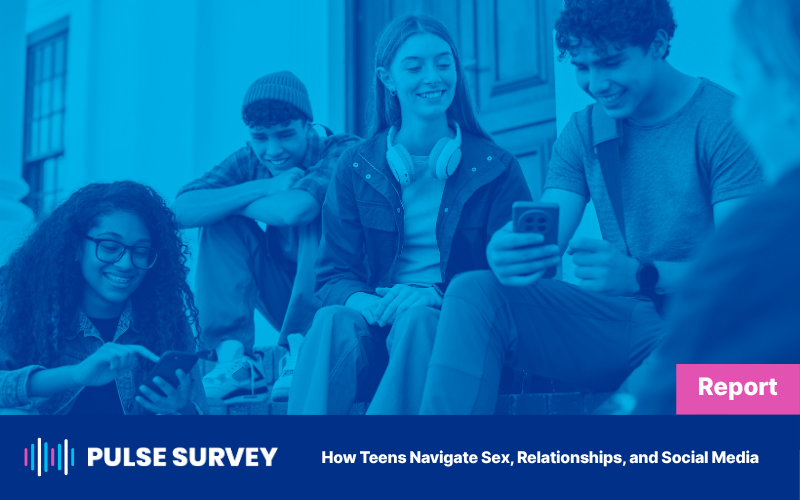
Pulse Survey: How Teens Navigate Sex, Relationships, and Social Media
A Digital Wellness Lab Pulse Survey 1,124 US teens (ages 16 to 18) to better understand how they form their beliefs and decisions around sex and relationships.
-
More Than a Text—Why Digital Closeness Isn’t a Guarantee of Real-Life Safety
Read the latest Teen Voices feature by Student Advisory Council member Ayanna exploring the illusion of digital trust, the gray areas of youth relationship safety, and why online closeness shouldn’t be treated as a “receipt” for in-person consent.
-
What Toy Story 5 Reveals About Childhood Today
In our new series Field Notes, the Digital Wellness Lab’s Nicole Powell shares her takeaways about Toy Story 5’s messages about play, screen time, and how children develop in today’s digital world
-
You Locked the Phone, But Forgot to Unlock the Classroom
Read this powerful Teen Voices perspective by Student Advisory Council member Vihaan on school phone bans—as he makes the case that the political momentum to restrict digital spaces must be matched by an equal commitment to creating safe, supportive physical classrooms.
-
The Line Between Human and AI
Read “The Line Between Human and AI,” a new Teen Voices script by Student Advisory Council member Zoya. Writing from a teen’s point of view, Zoya delivers a captivating look at how today’s technology and digital detachment are reshaping youth relationships with AI.
-
Effects of Violent Media on Youth
In this Teen Voices blog post, teen writer Emmie explores how doomscrolling violent media leads to digital desensitization among youth and shares empathy-based and actionable strategies to help teens protect their mental health online.
-
The Highlight Reel vs. Real Life
In our latest Teen Voices blog, Student Advisory Council member Evans shares an honest look at navigating digital media, offering essential advice for parents, educators, and tech designers on building healthier online spaces for adolescents.
-
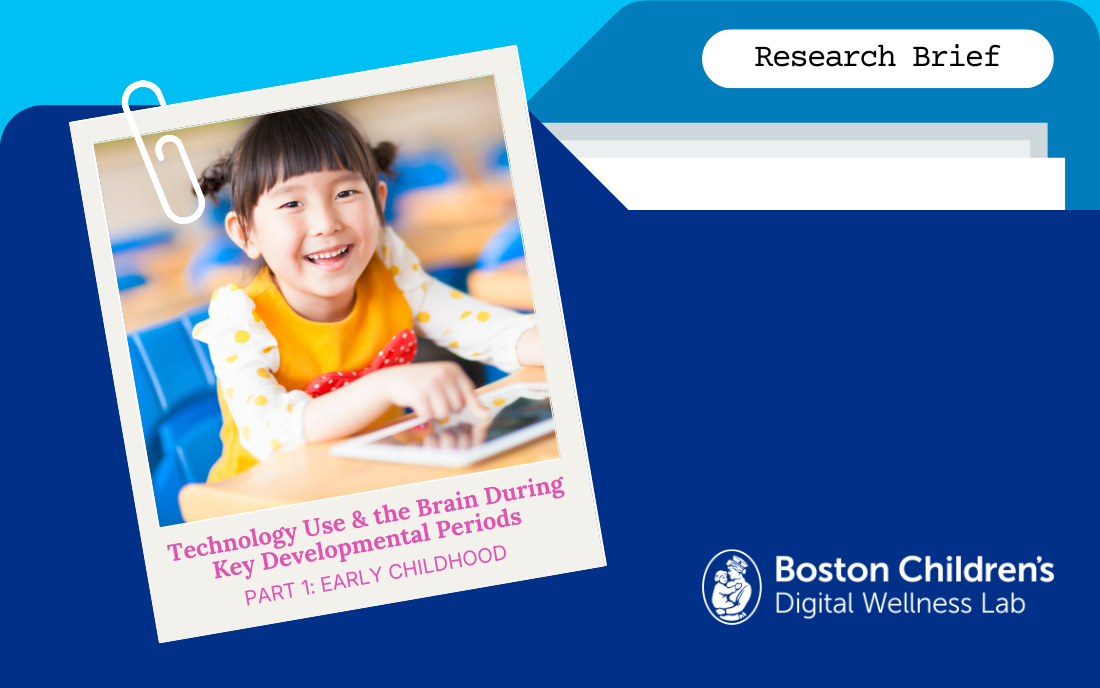
Research Brief: Technology Use & the Brain During Key Developmental Periods, Part I: Early Childhood
This research brief focuses on the key developmental period from birth through age five, covering findings from the past ten years seeking to understand how technology use can impact physical, social, and emotional wellbeing.
-
Watch This If Your Screen Time is Over 2 Hours
In a new Teen Voices video “Watch This If Your Screen Time is Over 2 Hours,” Student Advisory Council member Jackson B. shares his teen-led perspective on screen time, algorithm design, and simple habits for reclaiming digital wellbeing.