




Our Team
We are a mission-driven organization made up of a dynamic and collaborative team of experts and thought leaders.
Leadership
-

Michael Rich
MD, MPH
Director, Founder, Pediatrician
-

David Bickham
PhD
Research Director
-

Cori Stott
MBA, EdM
Executive Director
Staff
-

Bianca Alvarez
Administrative Associate
-
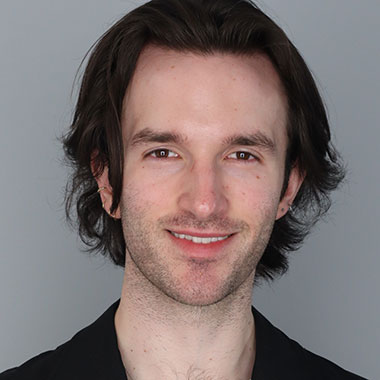
Anthony Biello
PhD Candidate
Clinical Research Assistant
-
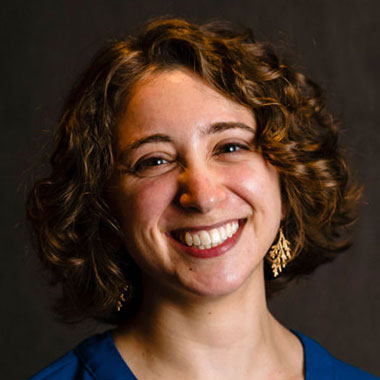
Hannah Chidekel
MPH
Research and Education Manager
-

Kathy Cooney
LICSW
Social Worker, CIMAID
-
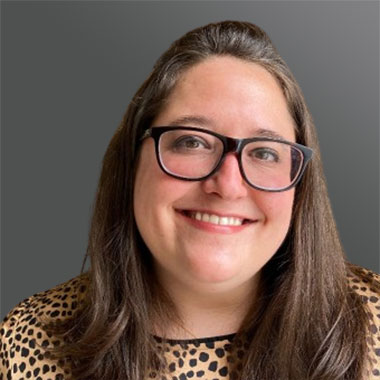
Kathlyn Elliott
PhD
Researcher
-
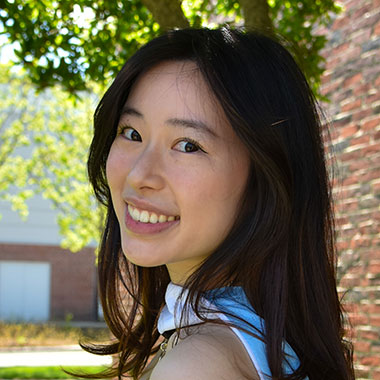
Katrina Ho
MA
Clinical Research Coordinator
-

Brian Keller
Web Developer
-
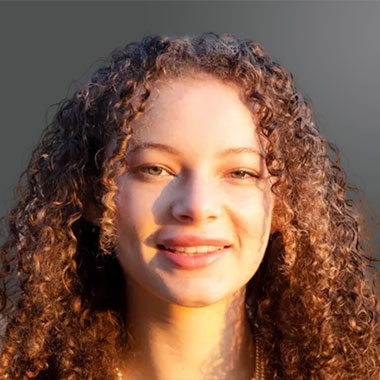
Zoë Kronberg
BA
Lab Coordinator
-
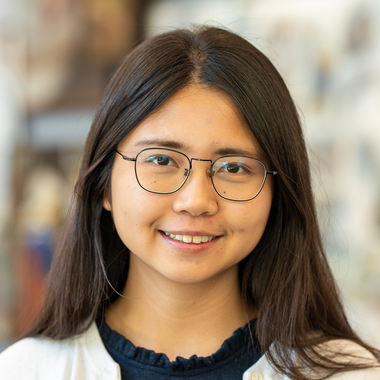
Priscilla (Xiaoxuan) Liu
PhD, RN
Postdoctoral Research Fellow
-
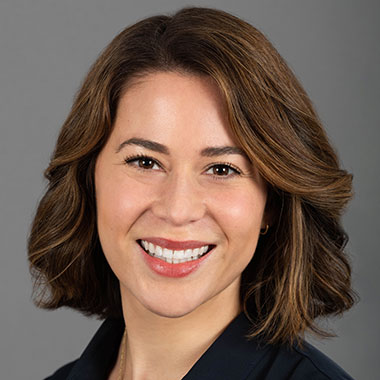
Brinleigh Murphy-Reuter
EdM
Innovation Strategist, AI & Early Childhood
-

Nicole Powell
MSW
Research Translation & Program Development Manager
-
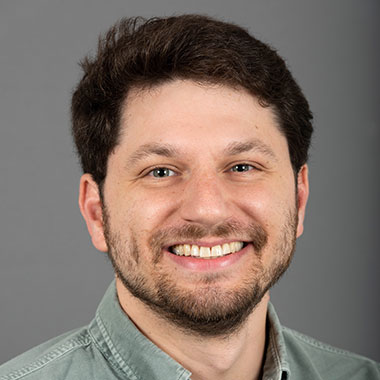
Sam Schwamm
MA
Clinical Research Manager
-

Diya Thomas
BA
MarComms & Brand Manager
-

Kaitlin Tiches
MLIS
Knowledge & Research Strategy Manager
-

Michael Tsappis
MD
Psychiatrist, CIMAID
-
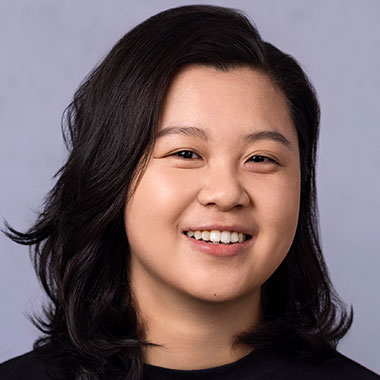
Edith Wang
EdM
Clinical Research Assistant
-
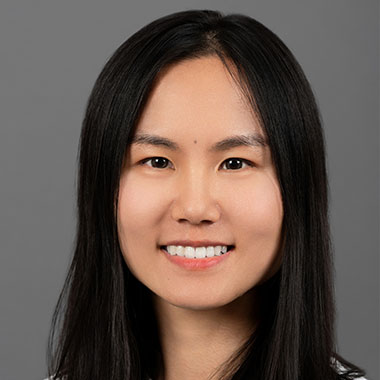
Zhiying (Zoey) Yue
PhD
Scientist
Graduate Students
-
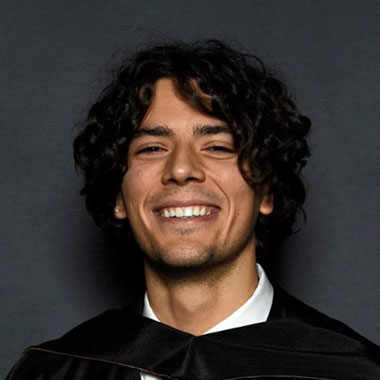
Simone D’Amico
BSc
Visiting Graduate Student
-

Samantha Hirianto
BS
Graduate Research Intern
Undergraduate Students
-
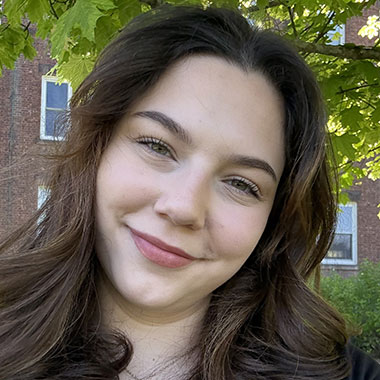
Abigail Schwartz
Student Researcher
Summer Researchers
-

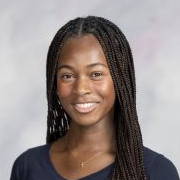
Aisha
COACH Summer Intern
-

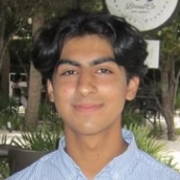
Jackson
COACH Summer Intern
-

Julia Tsappis
Summer Research Intern
Teen Research Advisors


Associates

Benoît Bediou
PhD
Research Partner
Senior Research Associate
Brain and Learning Lab, University of Geneva
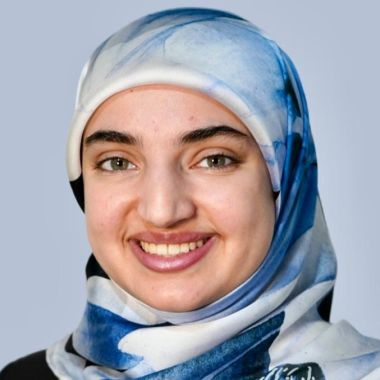
Najat Fadlallah
MD
Visiting Scholar
Fellow
Developmental-Behavioral Pediatrics,
Center for Children with Special Needs,
Tufts Medical Center


Jason Fogler
PhD
Consulting Psychologist
Attending Psychologist
Boston Children’s Hospital
Assistant Professor of Pediatrics and Assistant Professor of Psychology
Harvard Medical School

Jacob Groshek
PhD
Visiting Scientist
Chair of Emerging Media Research
The A.Q. Miller School, Kansas State University
Executive Director
AIxMedia Institute
President
Metro Boston NFL Flag Football

Elizabeth Hunt
MA
Research Partner
Research Associate
Center for Children and Technology, Education Development Center

Erica Lee
PhD
Consulting Psychologist
Attending Psychologist
Boston Children’s Hospital
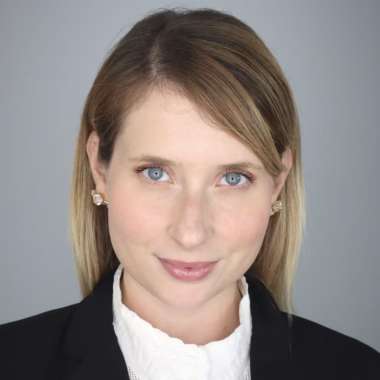
Laura Marciano
PhD
Research Associate
Assistant Professor
The Media School, Indiana University, Bloomington
Collaborator
Department of Social and Behavioral Sciences, Harvard T.H. Chan School of Public Health

Peter Raffalli
MD
Consulting Neurologist
Attending Child Neurologist
Boston Children’s Hospital
Founder and Director
Bullying & Cyberbullying Preventation & Advocacy Collaborative
Assistant Professor of Neurology
Harvard Medical School

Rebecca Robbins
PhD, MS
Consulting Sleep Scientist
Associate Scientist
Brigham and Women’s Hospital
Assistant Professor of Medicine
Harvard Medical School

Keneisha Sinclair-McBride
PhD
Consulting Psychologist
Attending Psychologist
Boston Children’s Hospital
Assistant Professor of Psychology
Harvard Medical School

Katrine Bønneland Tølbøll
PhD
Research Associate
PhD candidate in Social Science and Business
Aarhus University, Denmark














Research Alumni
Benoît Bediou, PhD
2021-2022
Michael Carter, PhD
2022-2026
Yun-Ming Chang, PhD
2016-2017
Alice Huang, EdM
2025-2026
Elizabeth Hunt, MA
2021-2023
Lisa Hurwitz, PhD
2019-2021
Oluwatomilola Idowu, MA
2023-2024
Emily Izenman, BA
2022-2024
Angshuman Kashyap, MPH
2025-2026
Jessica Magyar, EdM
2017
Isobel McEwan
2022
Kat Mitchell, EdM
2025
Summer Moukalled, DO
2019-2021
Cameron Neirem, MD
2019-2021
Wren Opperman
2025
Alicia Owens, BA
2025
Leah Scandurra, MA
2015-2017
Robyn Thom, MD
2016-2018
Yiting Yin, EdM
2025-2026